Camping
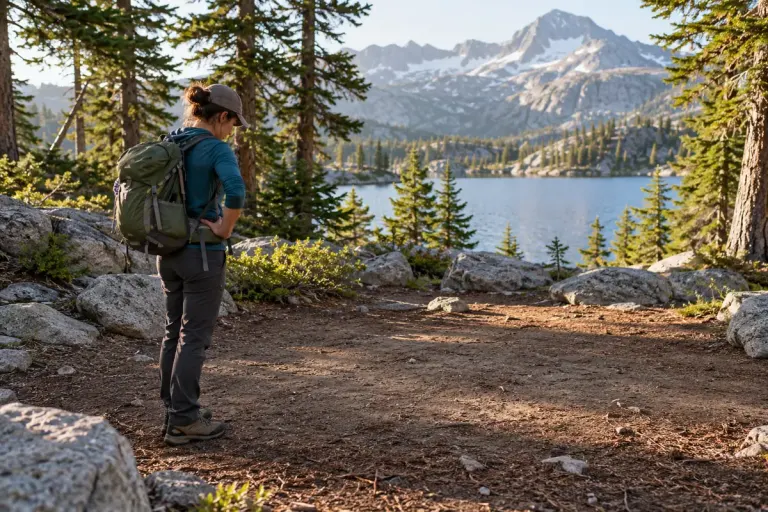
Choose a Campsite Surface Before Deciding Where the Door Faces
Read the ground, drainage and campsite rules before pitching a tent, then choose an entrance direction that works within a suitable spot.

A little preparation. A better day outside.
Read the ground, drainage and campsite rules before pitching a tent, then choose an entrance direction that works within a suitable spot.
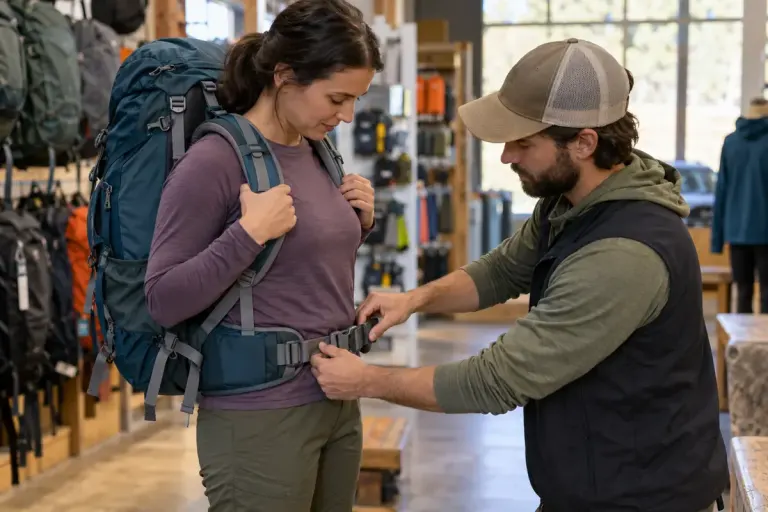
Check backpack torso fit and hip-belt position with a realistic load before judging comfort on a walk, rather than choosing by overall height alone.
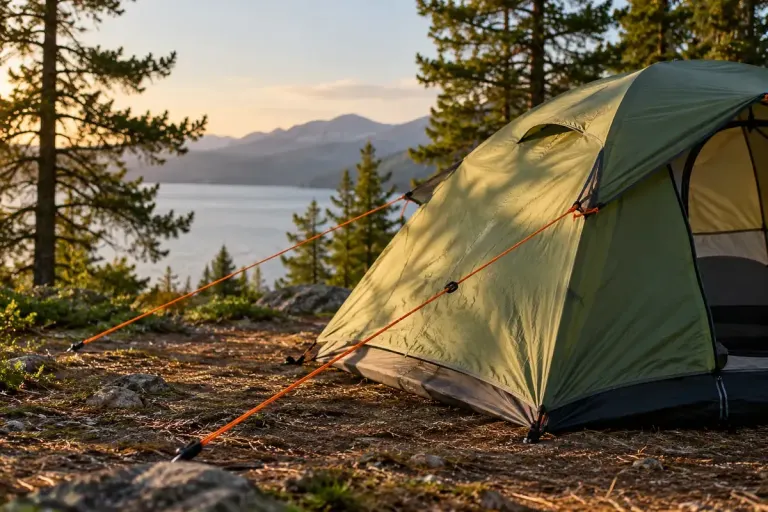
Pitch tent guylines in the directions intended by the tent design, then check anchors, tension and walking routes before conditions deteriorate.
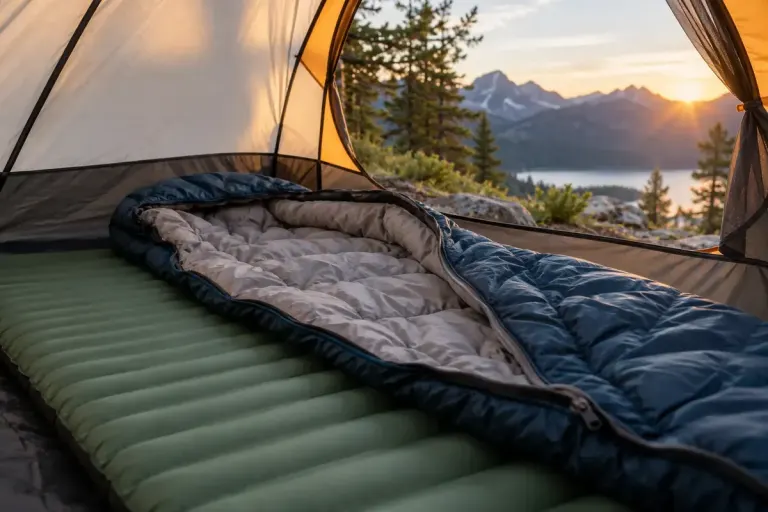
Read a sleeping mat’s insulation rating alongside the rest of your sleep system, rather than choosing by thickness or sleeping-bag temperature alone.
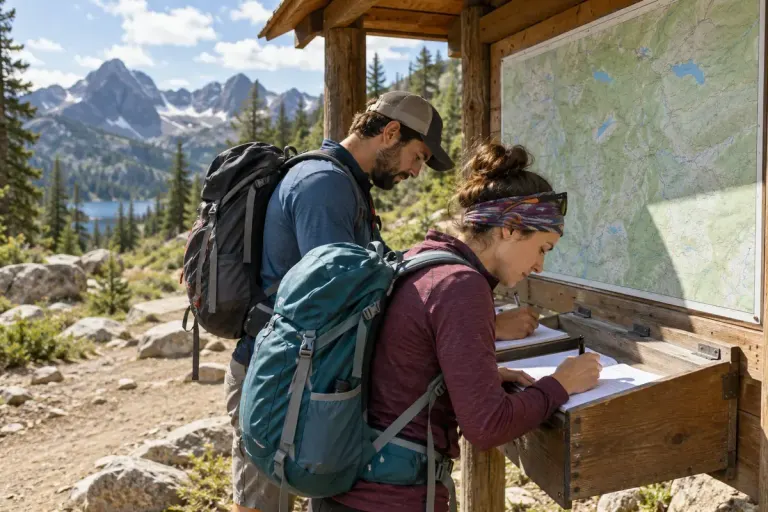
A trail register can help land managers and search teams, but a written entry is not live tracking. Leave a separate trip plan with a trusted contact.
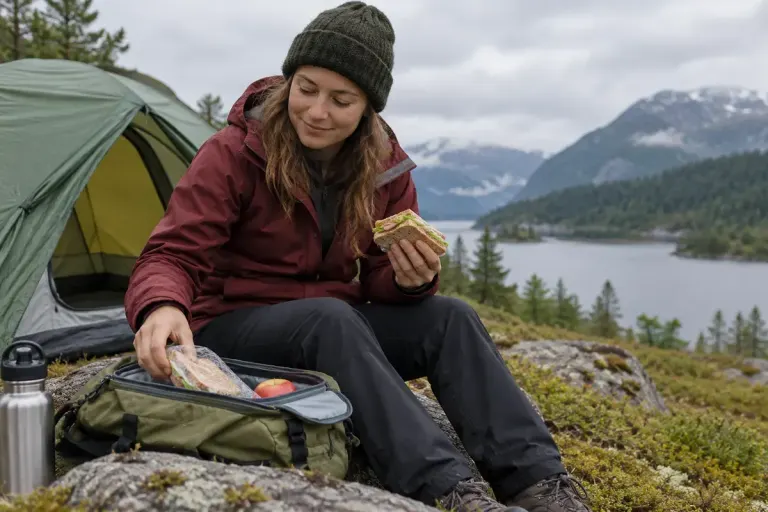
Keep a camping stove out of the tent and vestibule, and make a bad-weather meal plan before leaving home.
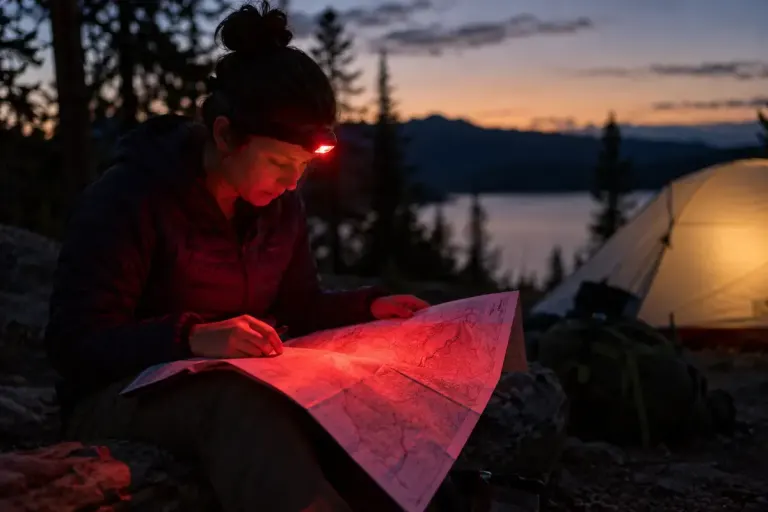
Use a dim red headlamp thoughtfully around a dark campsite, while choosing adequate lighting whenever safe movement requires it.
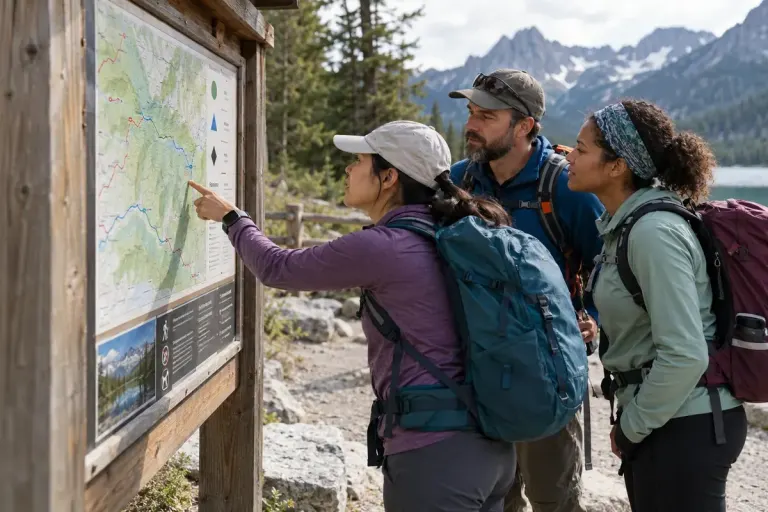
A trail marked moderate on one website may use a different scale elsewhere. Read the method and route details before planning the walk.
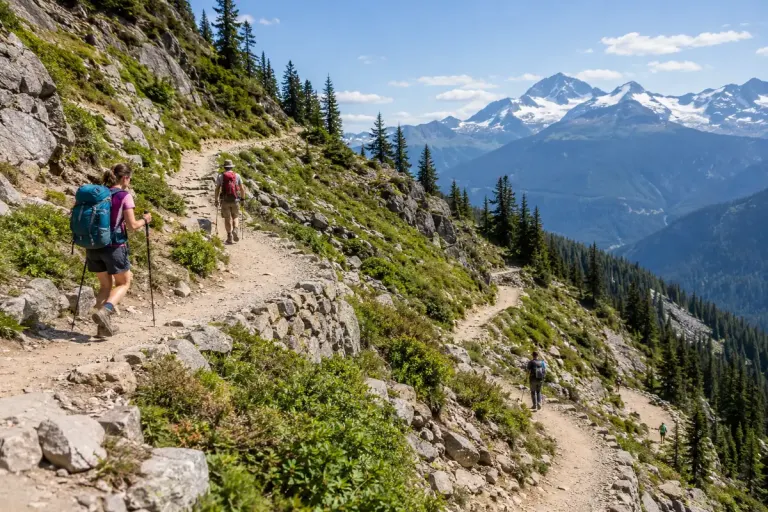
Understand why cutting a trail’s switchback is more than a personal shortcut, and plan a walking pace that leaves the marked route intact.