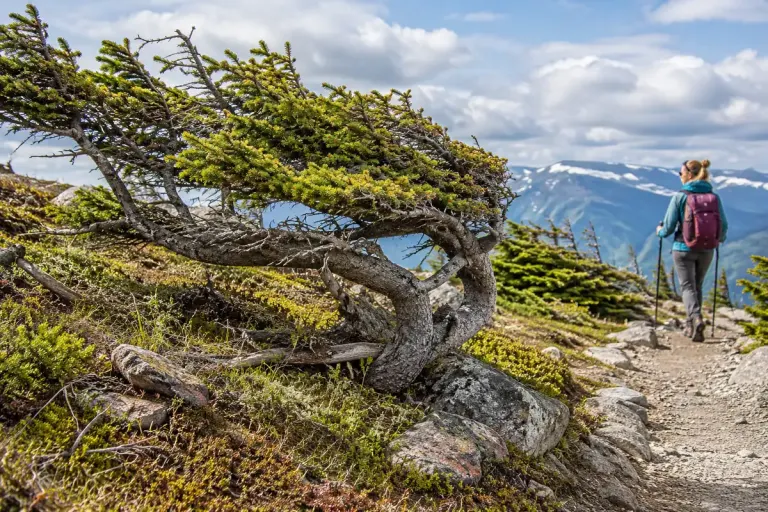
Reading the landscape
Krummholz shows what wind and exposure can do to a tree’s shape
Wind-shaped trees near the alpine treeline can be krummholz. Learn what their form suggests, what it cannot date, and how to observe without damaging them.

A little preparation. A better day outside.
Wind-shaped trees near the alpine treeline can be krummholz. Learn what their form suggests, what it cannot date, and how to observe without damaging them.
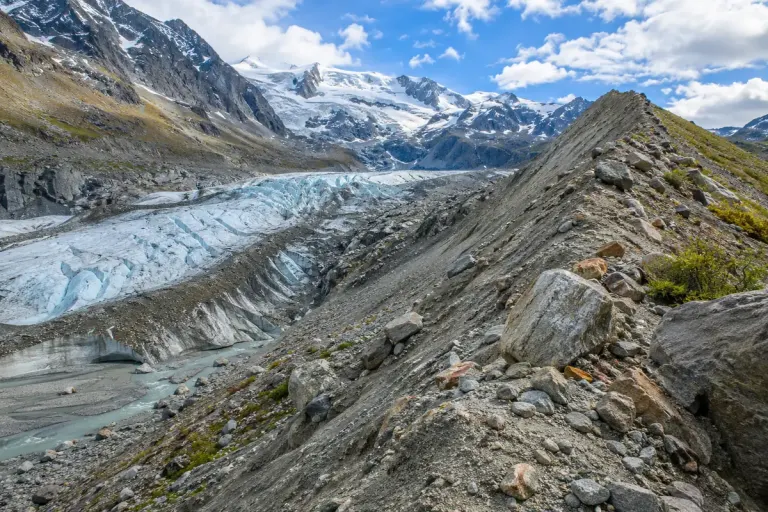
A moraine is debris associated with a glacier’s movement and deposition. Learn what it can reveal about a valley while keeping geological observation separate from route safety.
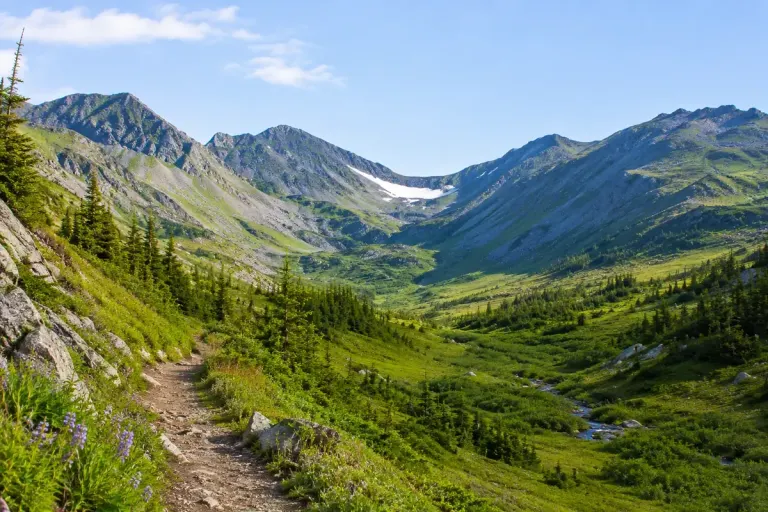
A summer forecast in the valley does not clear snow from a mountain pass. Check route conditions and prepare a lower alternative before setting out.
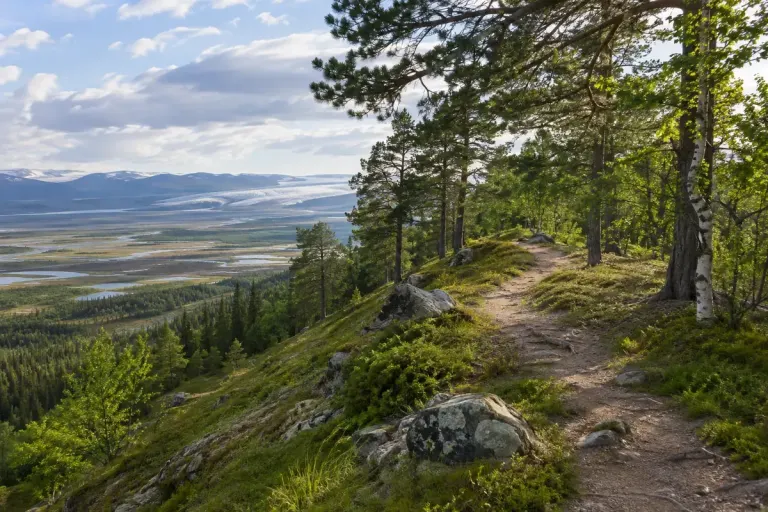
An esker is a ridge left by sediment deposited in glacial meltwater channels. Learn how to read the landform on a walk without guessing its origin from shape alone.
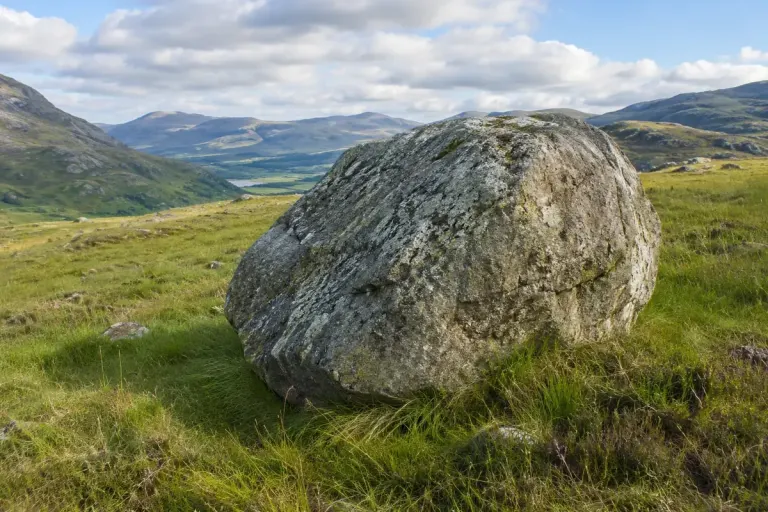
A glacial erratic is a rock moved by ice, but appearance alone is not proof. Learn what to look for and how to check a trail interpretation responsibly.
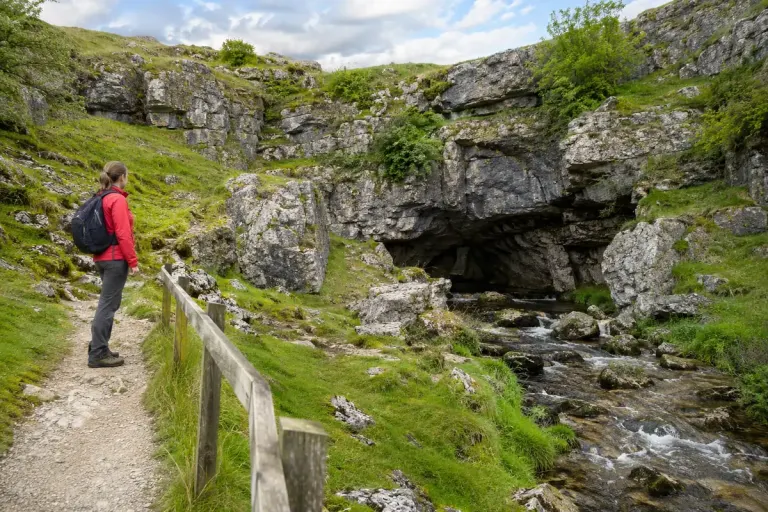
A stream can disappear into karst and still be part of an active water system. Read the landscape carefully and never assume a clear resurgence is safe drinking water.
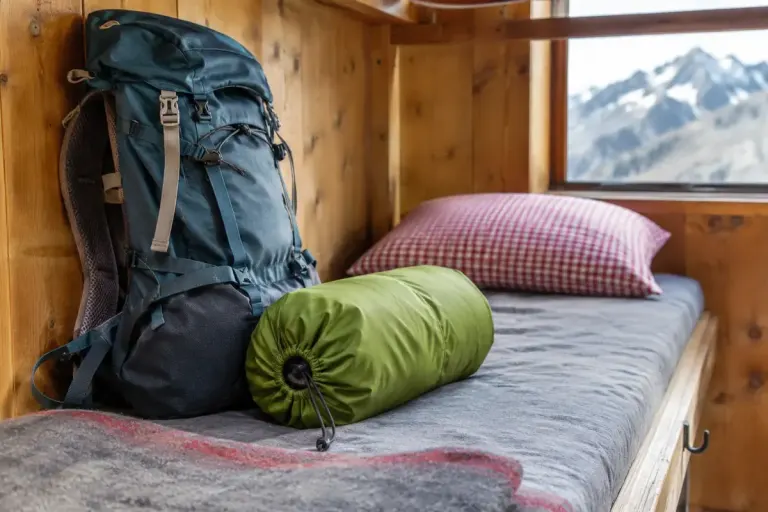
A hut sleeping liner provides a personal layer inside shared bedding. Check the hut’s rules and bedding provision before deciding what to carry for an overnight stay.
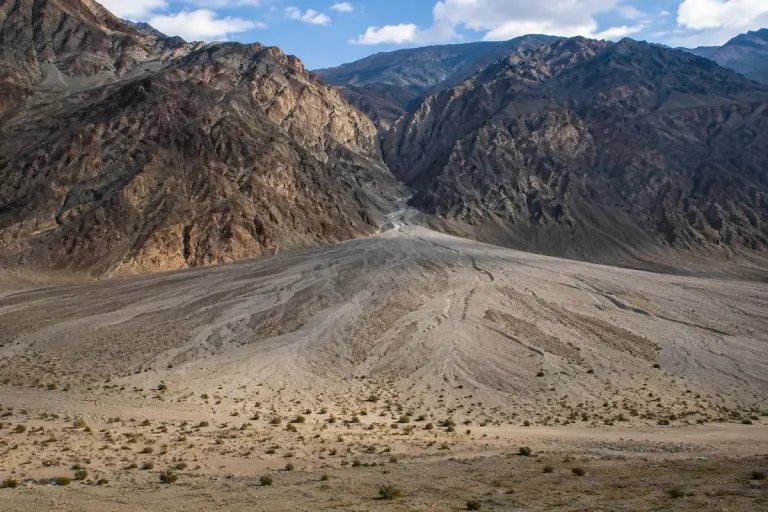
An alluvial fan records sediment spreading beyond a confined valley. Learn what its shape suggests and why a dry surface is not a guarantee against flooding.
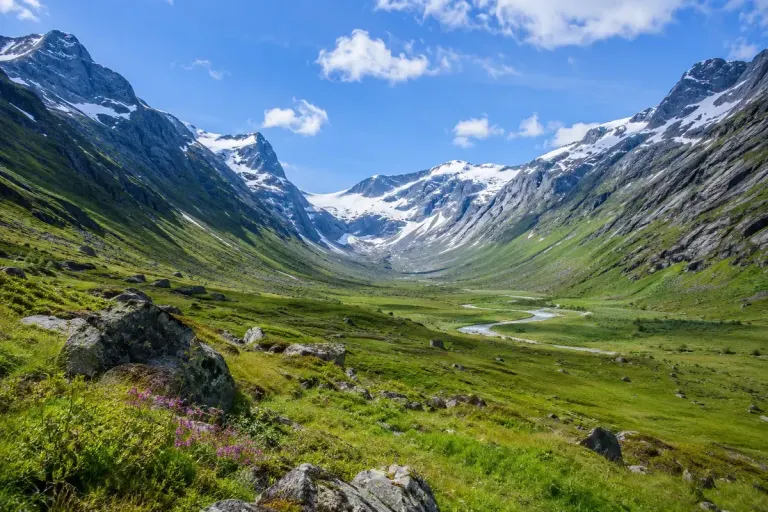
A broad U-shaped valley can preserve evidence of glacial erosion. Learn what to observe from a trail and how to check the local geological story.