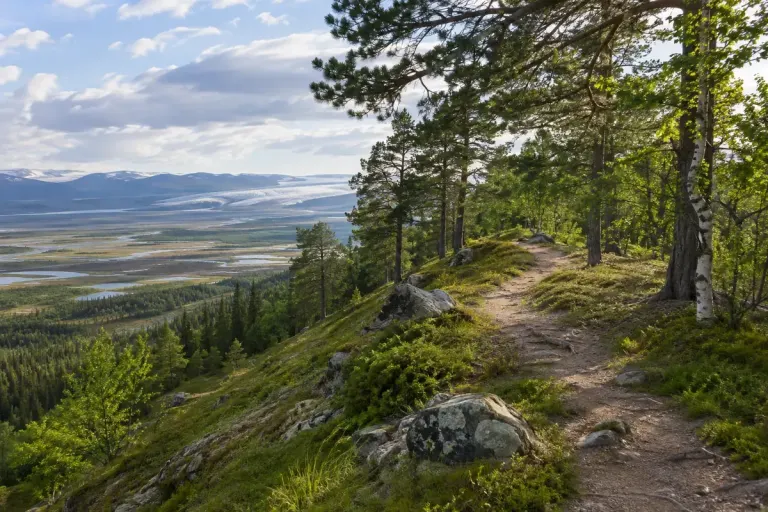
An esker traces an old meltwater route through today’s landscape
An esker is a ridge left by sediment deposited in glacial meltwater channels. Learn how to read the landform on a walk without guessing its origin from shape alone.
An esker is a ridge left by sediment deposited in glacial meltwater channels. Learn how to read the landform on a walk without guessing its origin from shape alone.
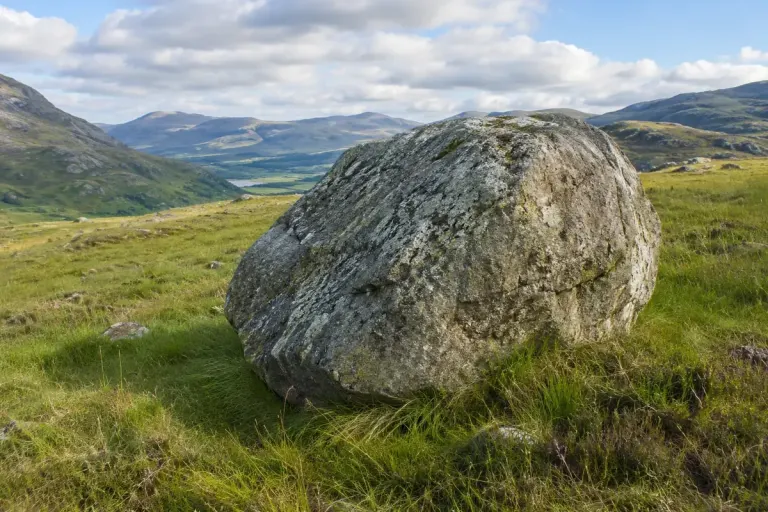
A glacial erratic is a rock moved by ice, but appearance alone is not proof. Learn what to look for and how to check a trail interpretation responsibly.

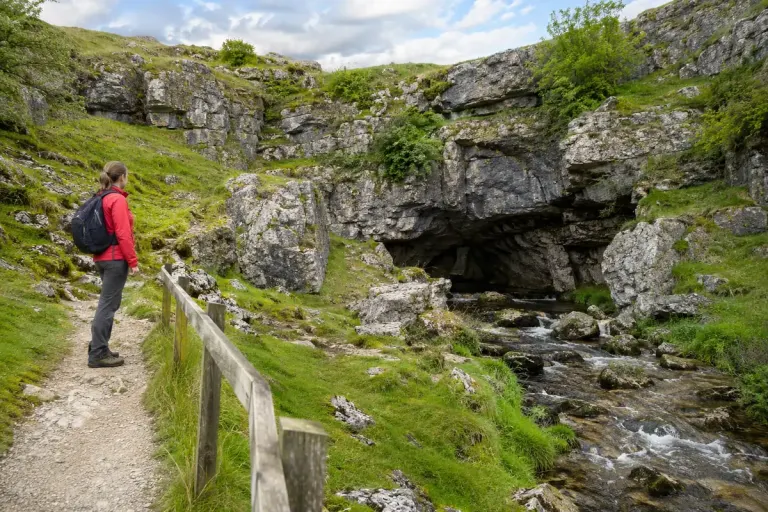
A stream can disappear into karst and still be part of an active water system. Read the landscape carefully and never assume a clear resurgence is safe drinking water.

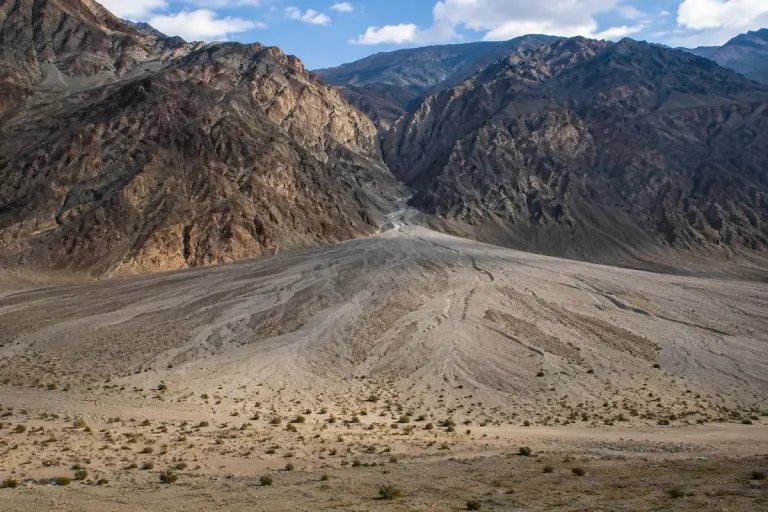
An alluvial fan records sediment spreading beyond a confined valley. Learn what its shape suggests and why a dry surface is not a guarantee against flooding.

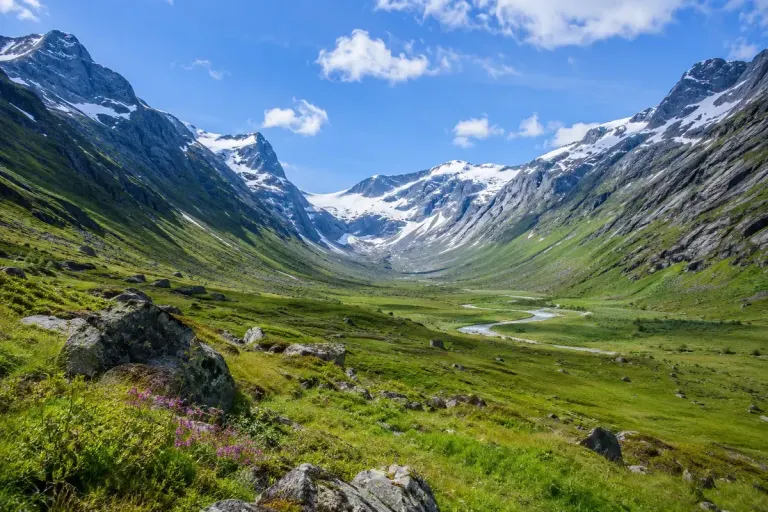
A broad U-shaped valley can preserve evidence of glacial erosion. Learn what to observe from a trail and how to check the local geological story.

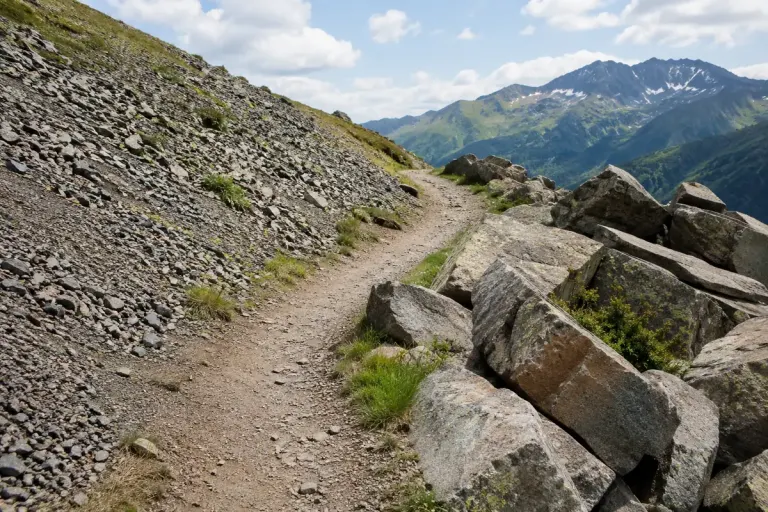
Loose stones and large angular blocks create different walking problems. Read route descriptions carefully and do not judge stability by rock size alone.

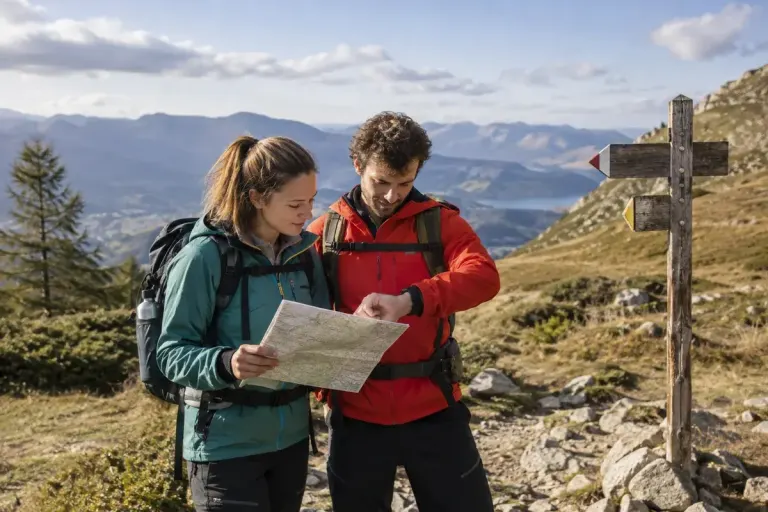
Read contour lines, intervals and map scale together to understand why two trails of similar distance can cross very different terrain.