
Trail Planning
A Trail Detour Needs a New Turnaround Time
Reassess distance, terrain, daylight and return travel when a walking route changes, and choose a new turnaround point before following a detour.

A little preparation. A better day outside.
Reassess distance, terrain, daylight and return travel when a walking route changes, and choose a new turnaround point before following a detour.

Check a head torch’s controls, battery condition and travel lock before a walk, and carry a usable backup for the trip you planned.
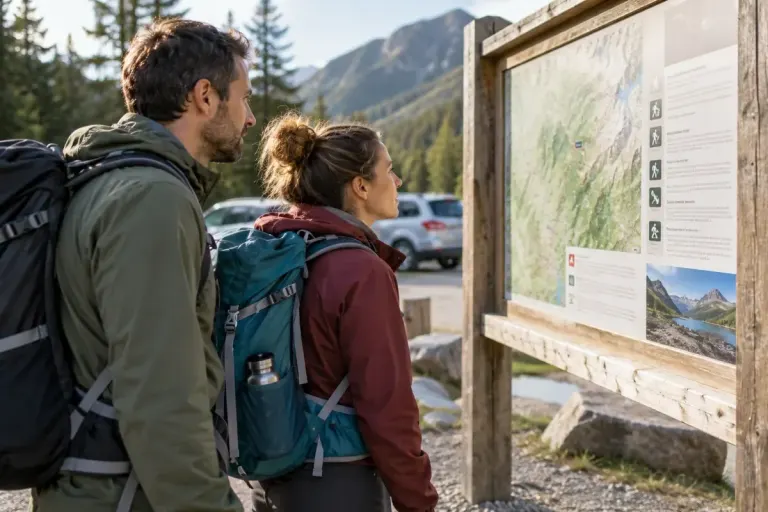
Include parking access, closing times and return arrangements in a day-walk plan so reaching the car is not mistaken for completing the journey.
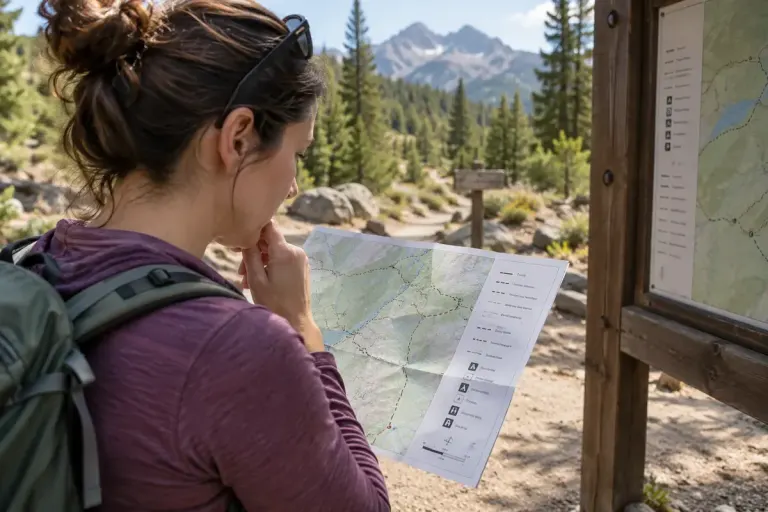
Check a walking map’s own legend before following a dashed line, and separate a mapped path from permission, condition and current access.

Check the rules for your walking poles and every airport on the route before assuming a compact pair belongs in cabin baggage.

Prepare bags, clothing, and checkout details the evening before an early hostel departure so a shared dorm can stay quieter in the morning.
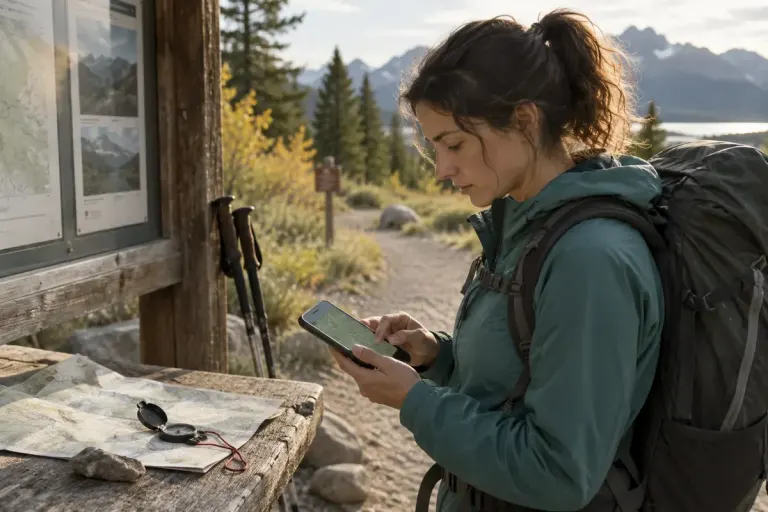
Verify that an offline map really opens and covers your route before leaving signal, and keep navigation independent of a single charged phone.
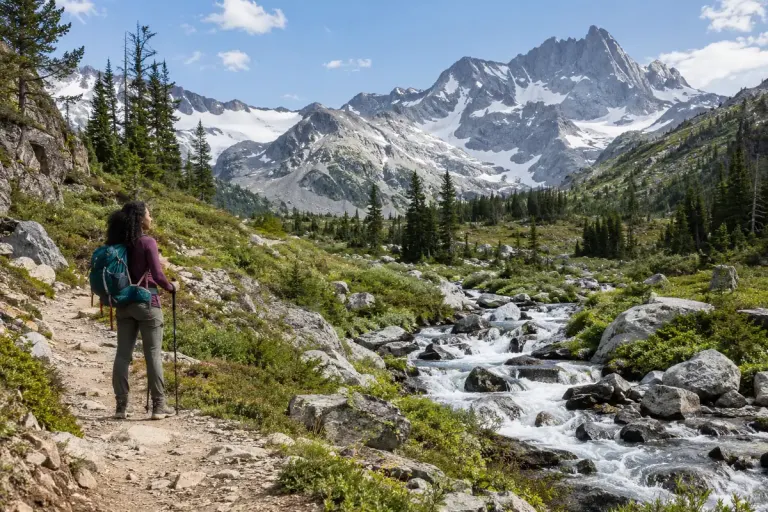
Treat a river crossing as an optional route decision, with current conditions, alternatives and turnaround time considered before reaching the water.
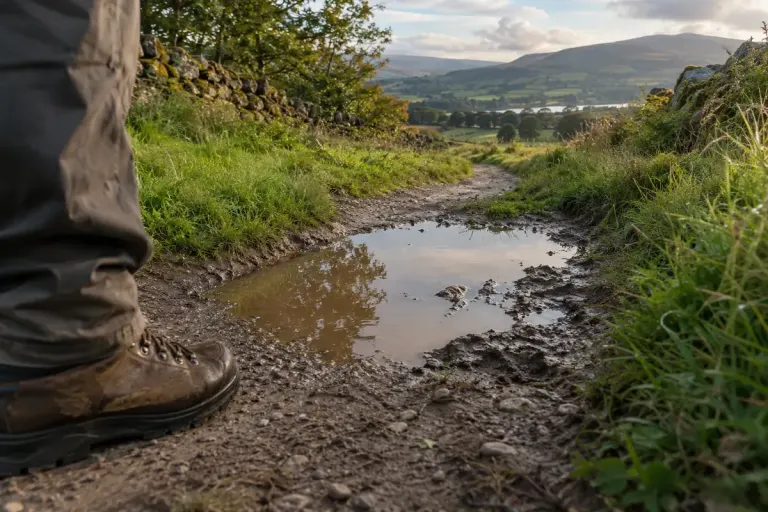
Decide what to do at a muddy section without damaging the trail edge, ignoring closures or stepping into a hazard you cannot assess.